
Making History Accessible: How a UVA Wise Alumnus Brings the Past to Life
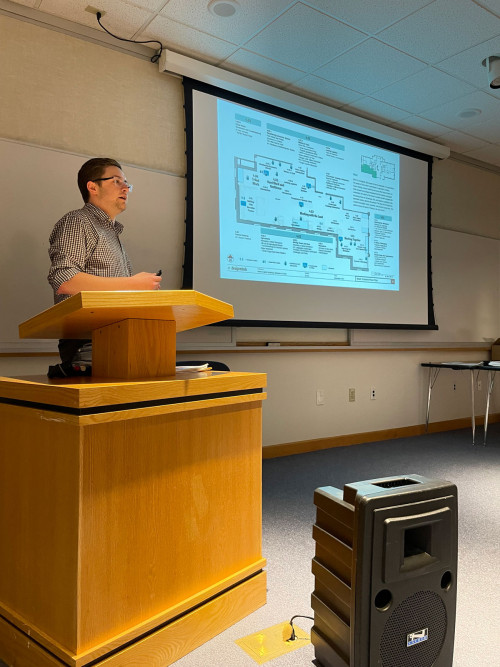
Every museum exhibit, historic site and cultural space tells a story long before a visitor reads the first line of text. From the placement of the artifact to the flow of the gallery, each decision helps shape how that story is understood. For Andrew Hamilton, an alumnus of the University of Virginia’s College at Wise, history is not meant to sit quietly behind a pane of glass. It is meant to be experienced.
The foundation for that approach was built at UVA Wise, where he double majored in history and government with a political science concentration.
Originally from Big Stone Gap, Va., Hamilton had always known about the College at Wise and chose to attend because of its hands-on learning environment and opportunity for close interaction with faculty.
Hamilton began his UVA Wise journey as a government major. After taking classes with UVA Wise professor Brian McKnight and then-professor Jennifer Murray, however, he began to see broader possibilities within the field of history. That shift in perspective ultimately led to him pursuing a double major.
His interest in shaping and communicating complex stories extended beyond his history classes. As a member of the College’s student newspaper, Hamilton further developed his writing, collaboration and deadline-driven skills that now inform his current work on a day-to-day basis. In his final year, he served as editor-in-chief, gaining leadership experience and guiding a team while also balancing his own coursework.
After graduating from UVA Wise in 2017, Hamilton moved to Fairfax, Va., to obtain his master’s degree in history with a concentration in applied history.
“I genuinely felt that my studies and experiences at UVA Wise prepared me to jump into graduate school at a much larger university,” said Hamilton. “It also provided me with a solid foundation and understanding that allowed me to excel and grow in my new courses.”
At the graduate level, Hamilton had the opportunity to study under leaders in public history, including Spencer Crew, the first African American director of the National Museum of American History. That experience soon translated into hands-on work. During graduate school, Hamilton began an internship with The Design Minds, the firm where he now serves as a senior interpretive planner and project manager.
That internship marked the beginning of a career focused on helping institutions tell their stories with clarity and purpose.
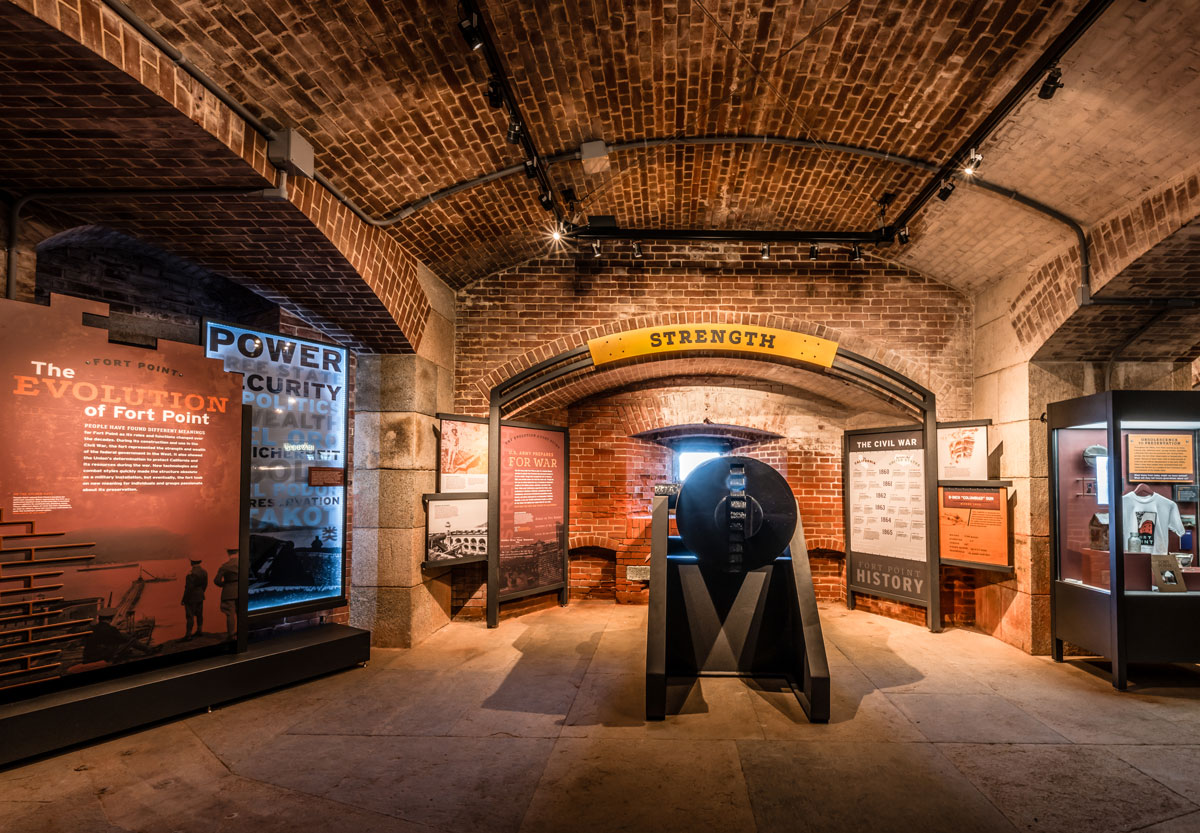
Visitors may not realize it, but every exhibit they encounter has been shaped with intention. In his role, Hamilton designs displays that make complex histories accessible and engaging, whether it is a museum, historic site, state or national park or other cultural institution.
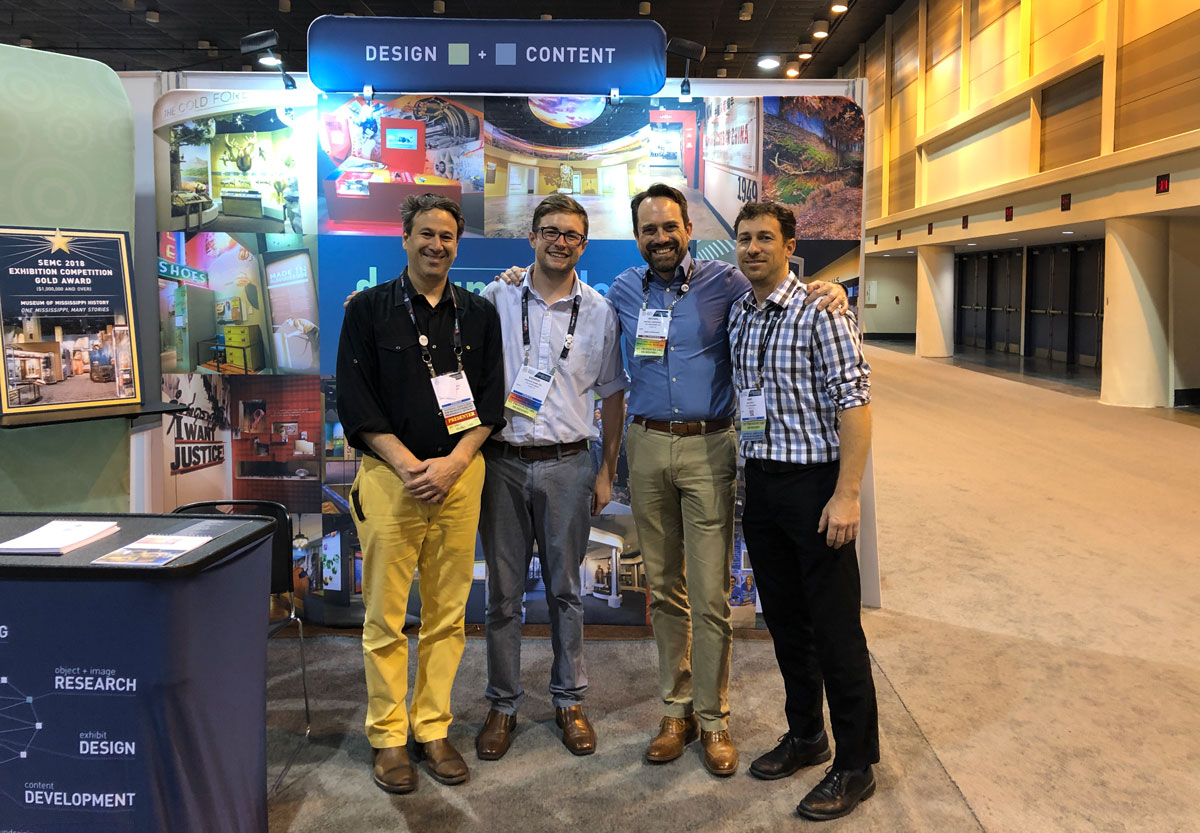
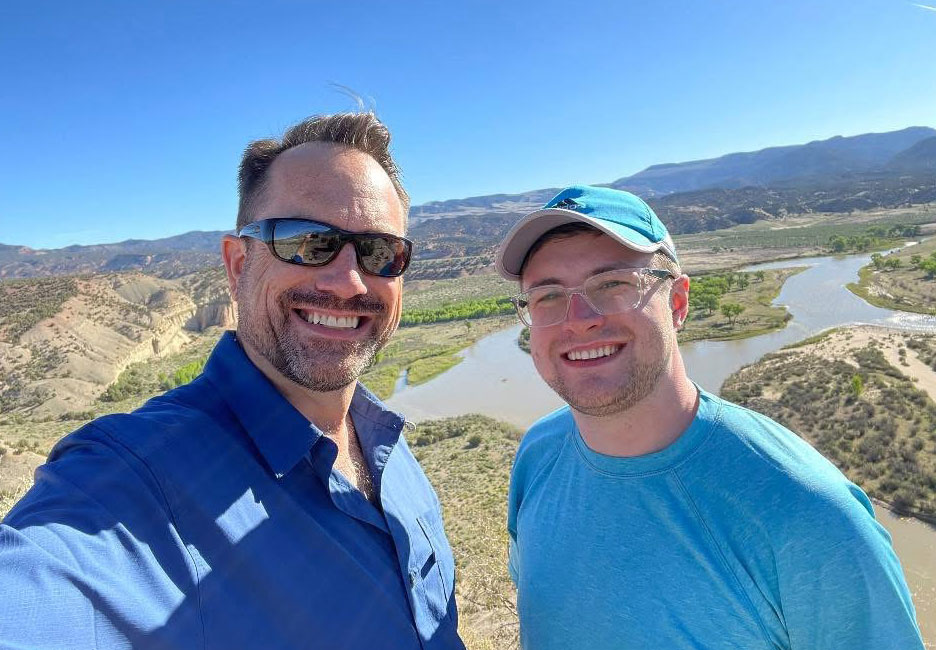
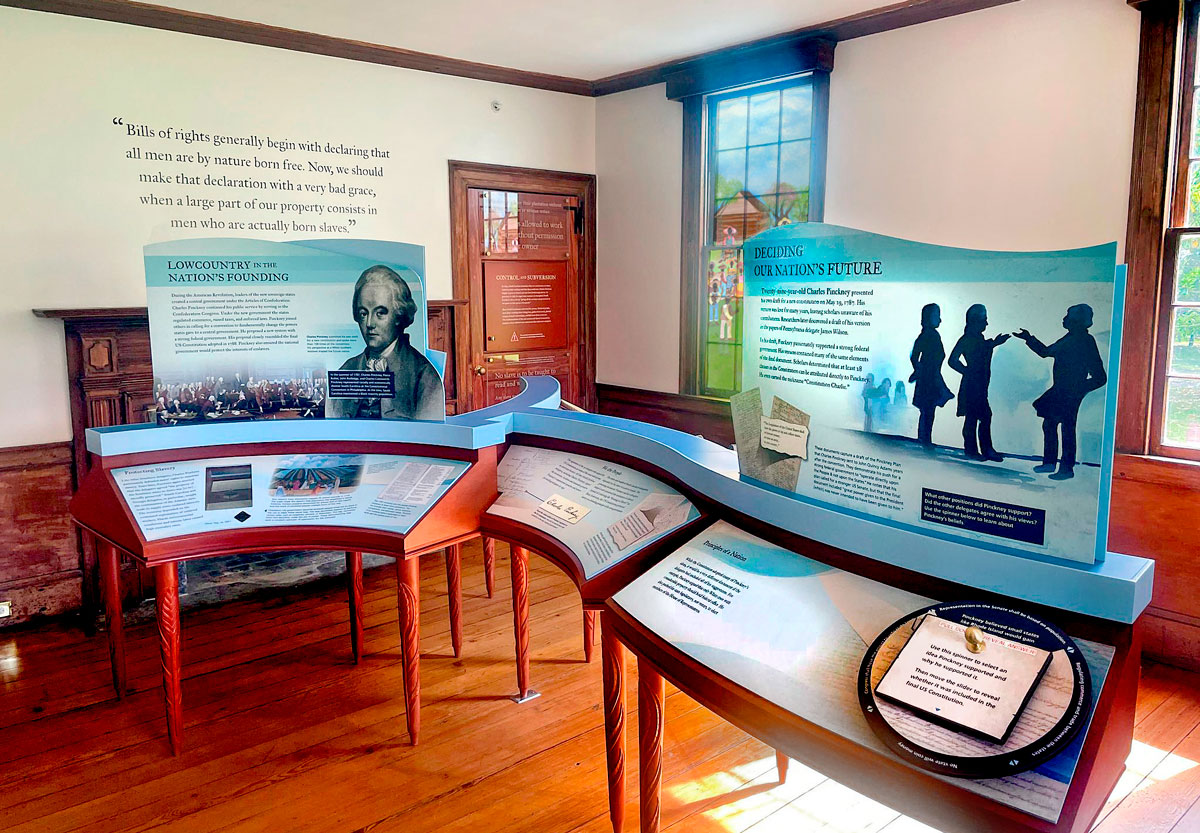
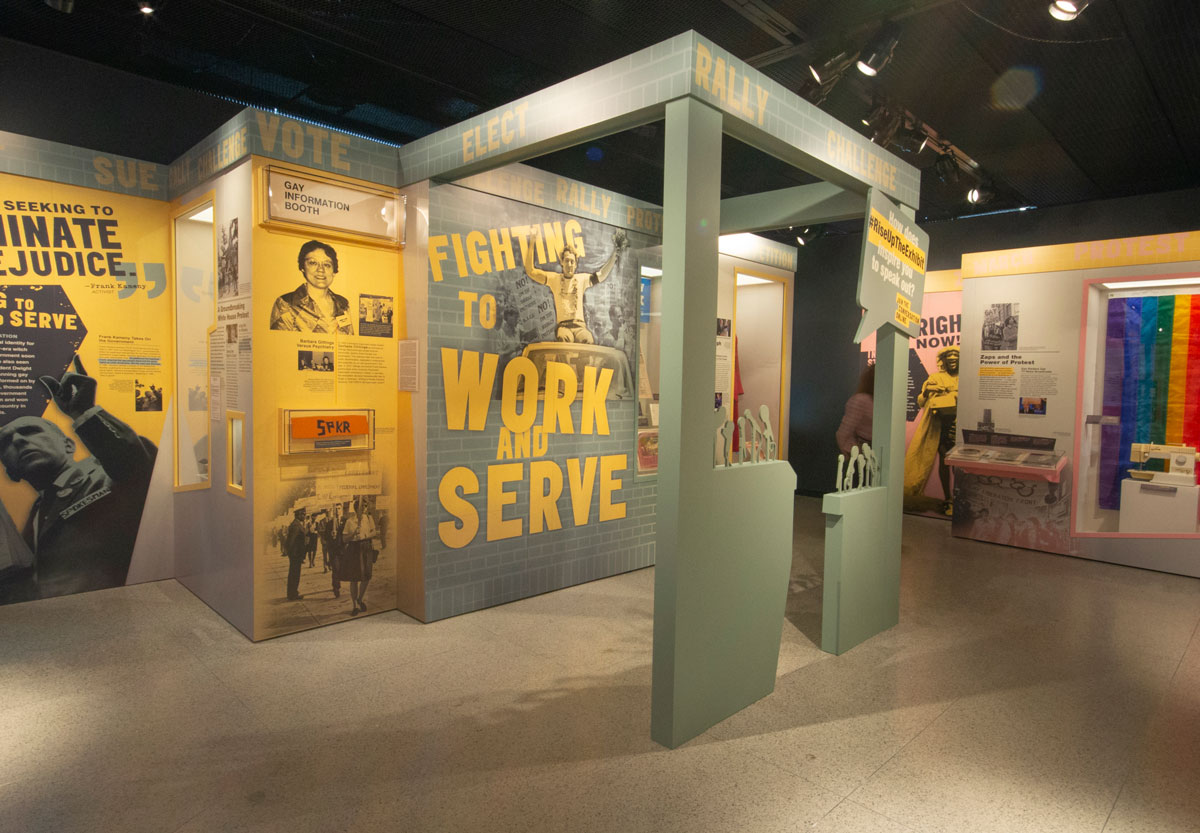
Hamilton’s work begins long before an exhibit opens to the public. He tours museums and historic sites, evaluating existing conditions and meets with leadership, staff and community stakeholders to understand what story they want to tell. Together, they identify a “big idea”, which is the message they would like visitors to leave with, and evaluate the resources available to support it, often drawing from places like the Library of Congress and the National Archives.
From there, the process shifts to site planning and layout, where Hamilton works to create “wow moments” that connect with visitors intellectually and emotionally. Designs move through multiple iterations, sometimes over the span of several years. After the design phases, Hamilton stays involved with the project, collaborating with fabricators, media designers and artifact specialists to make sure the “big idea” is maintained.
“For many of the sites I work with, you could write countless books about their stories and the historic figures represented in their collections,” said Hamilton. “My job is to distill that content into something visitors, some of whom may know nothing about the site, can engage with and use to better understand our nation’s shared past, the good and the bad.”
Some of Hamilton’s most meaningful work has centered on stories that were once left out of the historical record. Among them are new exhibits developed with the National Park Service at the Charles Pickney National Historic Site outside Charleston, South Carolina, and a traveling exhibit created with Newsuem in Washington focused on the Stonewall uprising and the broader LGBTQ rights movement.
Looking back, Hamilton credits the foundation he built at UVA Wise for continuing to shape his approach to public history.
“My time at UVA Wise helped me learn how to conduct research and evaluate primary sources that sometimes conflict,” said Hamilton. “Visitors want to understand the main ideas, what really matters about a site’s history. UVA Wise gave me the skills to distill complex stories to their core and share them in ways that resonate.”
Hamilton also credits the College’s liberal arts education with giving him the tools to interpret a wide range of disciplines. While many of the sites he works with are history-focused, they often incorporate art, natural sciences, literature and music.
Beyond academics, Hamilton said his time at UVA Wise was filled with experiences that shaped him personally, especially meeting his partner of ten years, Brandon Cantrell ’16.
For students interested in public history, Hamilton encourages getting as much hands-on experience as possible.
“Pursue courses, internships, jobs or volunteer opportunities that expose you to a wide range of public history work,” said Hamilton. “While my work focuses on exhibit and site planning, there are many ways to get involved, from curators and educators to conservators and fabrication specialists. It is a wide field where people with different educational backgrounds and interests can find a place.”